Snorkeling Without Swimming: A Safe Guide for Non-Swimmers
- PCB Prestige

- 5 days ago
- 7 min read
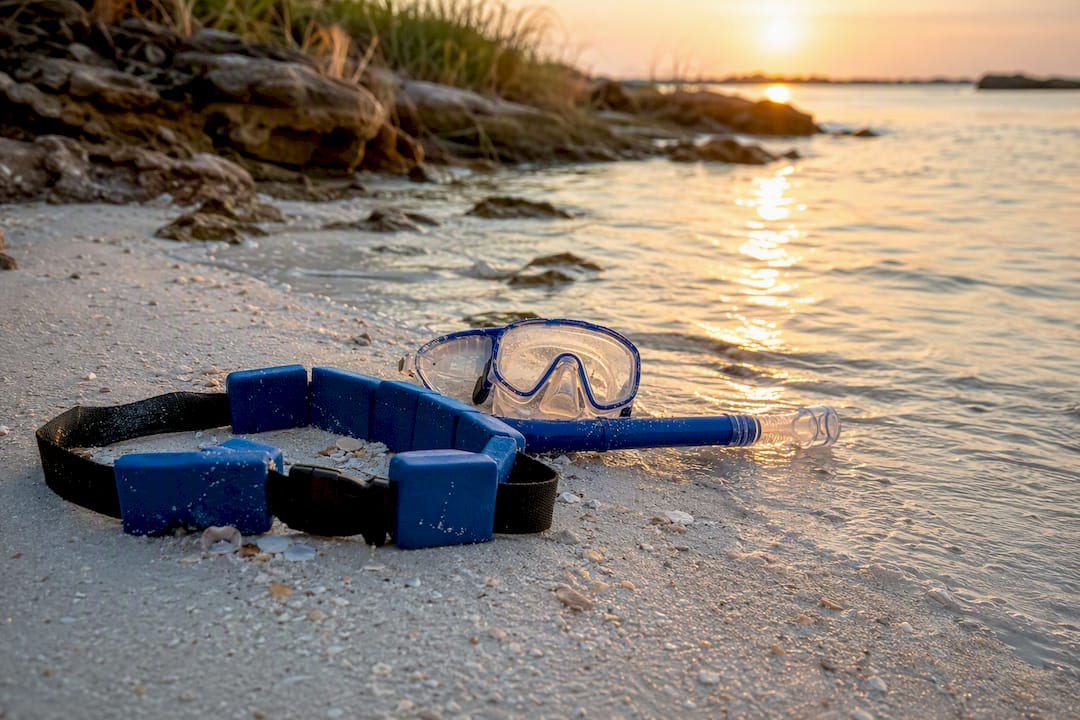
Yes, non-swimmers can snorkel safely, but only with two things in place: proper flotation and close supervision in calm, shallow water. Success on your first trip isn’t swimming a hundred yards to a reef. It’s staying calm and floating comfortably for ten or fifteen minutes. Get in the water at a shallow, guided site with a snorkel vest or belt, and you’re already doing it right.
TL;DR:
Proper flotation equipment, such as a vest or belt, is essential for non-swimmers to stay buoyant and comfortable during snorkeling.
Staying in shallow, guarded waters with calm conditions significantly reduces risks, especially for first-timers or non-swimmers.
Calm, brief practice sessions on land and in shallow water promote confidence and prevent panic during actual snorkeling.
Guided tours with small groups and site control help non-swimmers build skills gradually without pressure or exposure to rough water.
Deep breaths, slow movements, and close supervision are critical techniques to maintain calmness and safety while snorkeling.
Table of Contents
What Equipment Do Non-Swimmers Need for Snorkeling?
The right gear does most of the work your legs and arms would otherwise have to do. Get this part right and everything else gets easier.
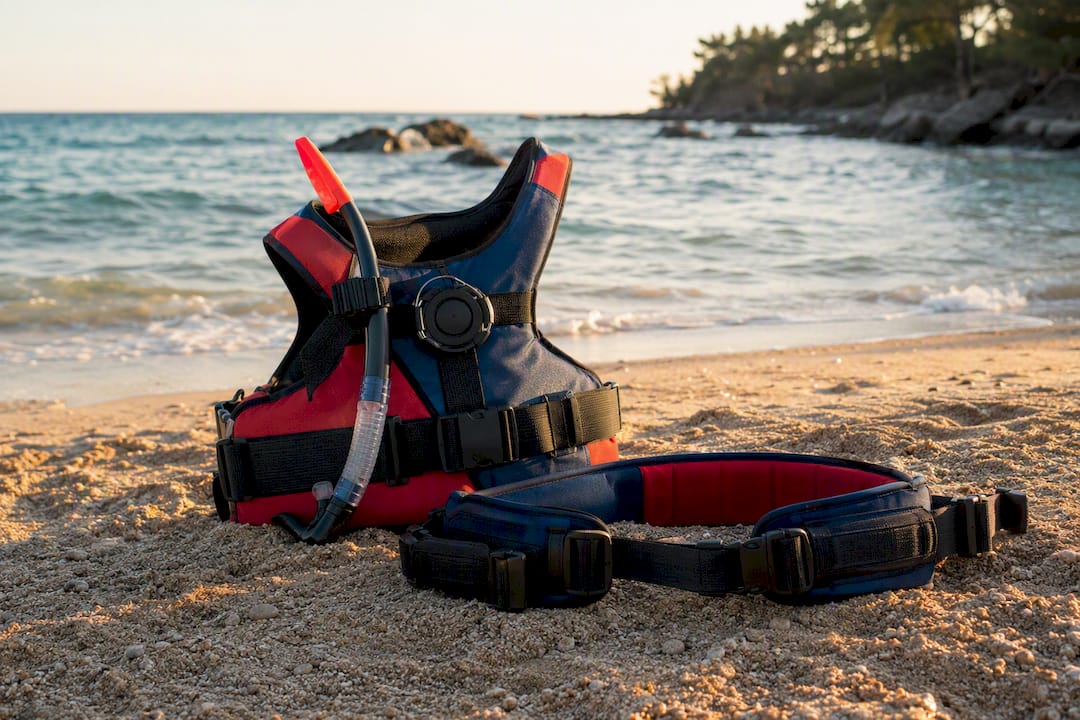
Flotation comes first, and the type matters. A snorkel vest gives you chest buoyancy and works well if you want to occasionally look up or rest upright. A flotation belt sits around your waist and keeps you in a natural face-down position, which is actually the better setup for watching fish and coral without fighting the water. A traditional life jacket helps in a rescue but tends to push your face up and out of the water, which fights against everything snorkeling is supposed to feel like, according to tour operator guidance from Ali’i Nui Maui. If you’re unsure which fits your body correctly, this life jacket fitting guide walks through proper sizing for adults and kids.
Mask fit determines whether panic sets in. Press the mask to your face without the strap and inhale gently through your nose. If it seals and stays put without suction from your hands, it fits. A loose seal means water leaks in, and that small trickle is often what triggers a non-swimmer’s first moment of fear. Test any full-face mask in shallow water before committing to open water, since breathing resistance varies by model and some older designs let CO2 build up inside the mask, according to safety notes from Seaview 180.
Short fins beat long free-diving fins here. They require less kicking effort and are far less likely to slip off, which matters when you’re already managing enough new sensations at once.
Snorkel vest or belt (belt preferred for face-down comfort)
Mask tested for seal and fog resistance
Short, snug-fitting fins
A brightly colored swim buoy if snorkeling anywhere boats might pass
Pro Tip: Put your mask on and breathe through the snorkel while sitting on dry land before you ever touch water. If it feels strange there, it will feel far stranger floating.
Where Should Non-Swimmers Snorkel?
Site selection matters more than skill level. The right location makes flotation and technique almost beside the point, because you’re never far from solid ground.
Edge snorkeling is the smartest approach for a first-timer. Stay in water shallow enough to stand up whenever you want, and treat that ability to stand as your safety net. Guidance from Seaview 180 frames this as staying in control rather than covering distance, and that reframing changes how the whole experience feels. You’re not trying to get anywhere. You’re trying to look down.
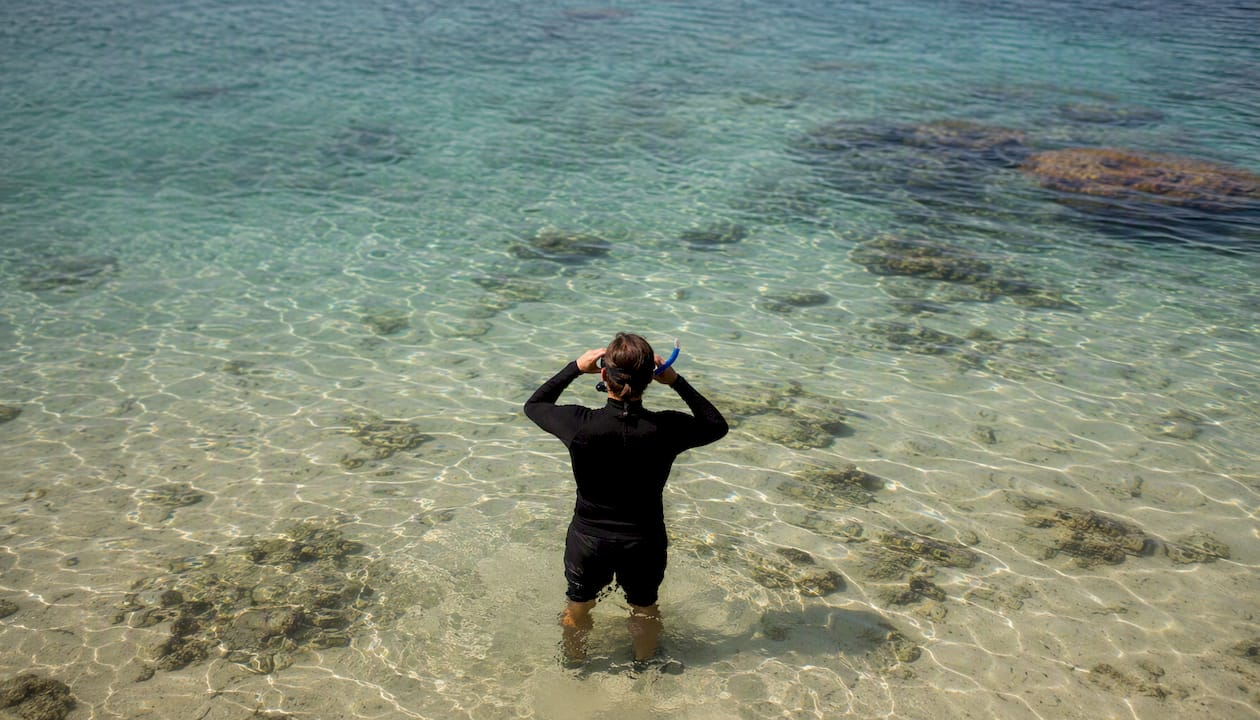
Lifeguarded beaches, protected coves, and private boat sites anchored over calm, shallow flats all beat open surf by a wide margin. Before you book or wade in, check three things: wind speed and wave height for the day, tide timing (a falling tide can pull harder than it looks), and water clarity, since murky water raises anxiety for people who already feel uneasy.
When evaluating a guided operator, look for:
A guide who stays within arm’s reach, not just “nearby”
Flotation equipment included and fitted before entering the water
Small group sizes, ideally six people or fewer
A stated policy of easing non-swimmers in gradually rather than rushing the group
Comprehensive non-swimmer guidance consistently notes that group or guided outings reduce risk significantly compared to going it alone, and that rough or exposed conditions simply aren’t appropriate for this kind of trip, according to Snorkel Around the World.
How Do You Breathe and Stay Calm While Snorkeling?
Technique for non-swimmers isn’t about propulsion. It’s about breath control and knowing exactly what to do the moment something feels off.
Breathe slow and low. Take deep breaths from your diaphragm, not your chest, through the snorkel tube. Expect the first few breaths to feel odd. That’s normal, not a warning sign.
Rehearse the stop-and-breathe reset until it’s automatic. The moment you feel rushed or your breathing speeds up, stop moving, lift your head, pull the snorkel from your mouth, and breathe normally for ten seconds before deciding what’s next. Overexertion is behind most beginner scares, and pulling the snorkel out to reset is the single most effective response to that rising discomfort.
Fin gently, not hard. Small, slow kicks reposition you without spiking your heart rate. If you’re kicking hard enough to feel your pulse climb, you’re overdoing it.
Stay within touching distance of your buddy or guide, and agree beforehand on a signal for “I need help now” versus “I’m fine, just resting.” A raised fist works well for the former.
Pro Tip: Give your brain a job during the first minute in the water. Counting three slow breaths through the snorkel before you look at anything else keeps your mind occupied with a task instead of spiraling into worry.
How Should Non-Swimmers Prepare Before a Snorkeling Trip?
Confidence in the water comes from small, boring repetitions on dry land and in shallow water first. Skipping this step is the most common reason first snorkel trips go badly.
Practice on land first. Put the mask and snorkel on while sitting in a chair and breathe through the tube for two full minutes. This alone removes most of the surprise.
Move to a pool or shallow water. Float on your stomach wearing your belt or vest, practice face-in breathing for 30 seconds at a time, and rehearse standing up from a floating position until it feels automatic.
Follow a conservative progression. Pool practice one day, shallow open water the next, then short 10 to 15 minute guided intervals once you’re comfortable. Rushing this timeline is where most anxiety comes from. Our step-by-step snorkeling guide covers this in more detail.
Check your gear the morning of the trip. Confirm the mask still seals, the belt or vest still fits snugly, and fins go on without a fight.
What Are the Non-Negotiable Safety Rules for Non-Swimmers?
Some rules aren’t suggestions. Break them and you’re gambling with something that doesn’t need to be a gamble.
Never snorkel alone. Always go with a trained guide or a capable buddy who’s watching you, not just swimming near you.
End the session immediately if you notice strong current, choppy surface water, dizziness, or breathing that feels out of your control.
Talk to a doctor before snorkeling if you have a cardiac condition, a seizure disorder, or severe asthma. These conditions can turn a manageable moment of stress into a real emergency.
If something goes wrong: float on your back, pull the snorkel from your mouth, stand up if you’re in shallow water, and raise an arm to signal for help.
The CDC’s drowning data identifies weak or absent swimming ability as one of the leading factors in fatal drownings, which is exactly why flotation and supervision aren’t optional extras for non-swimmers. They’re the whole safety system.
How Do Guided Tours Build Confidence for Non-Swimmers?
Operators who work with non-swimmers regularly rely on small, controlled wins rather than long stretches of open water. A typical sequence looks like standing in waist-deep water with the mask on for two minutes, then floating with a belt for another two, then a short guided swim of five minutes within arm’s reach of the captain or guide. Each step only happens once the previous one feels routine.
Giving a nervous snorkeler a small task, like three slow breaths before looking down, does more to prevent panic than any amount of reassurance. It occupies the part of the brain that would otherwise spiral.
Private charters have an advantage here that large group tours can’t match: control over site choice, group size, and pacing. On a private Shell Island snorkeling trip, a licensed captain can choose calm, shallow water specifically because there’s no larger group schedule to accommodate. That flexibility is exactly what a first-time, non-swimming snorkeler needs.
Why Short, Controlled Sessions Beat Ambitious Swimming Goals
The conventional advice around snorkeling still leans on swimming competence as an unstated requirement, and that framing keeps a lot of capable people out of the water for no good reason. What actually matters isn’t how far you can swim. It’s whether you can float calmly, breathe through a tube without panicking, and stand up the moment you want to.
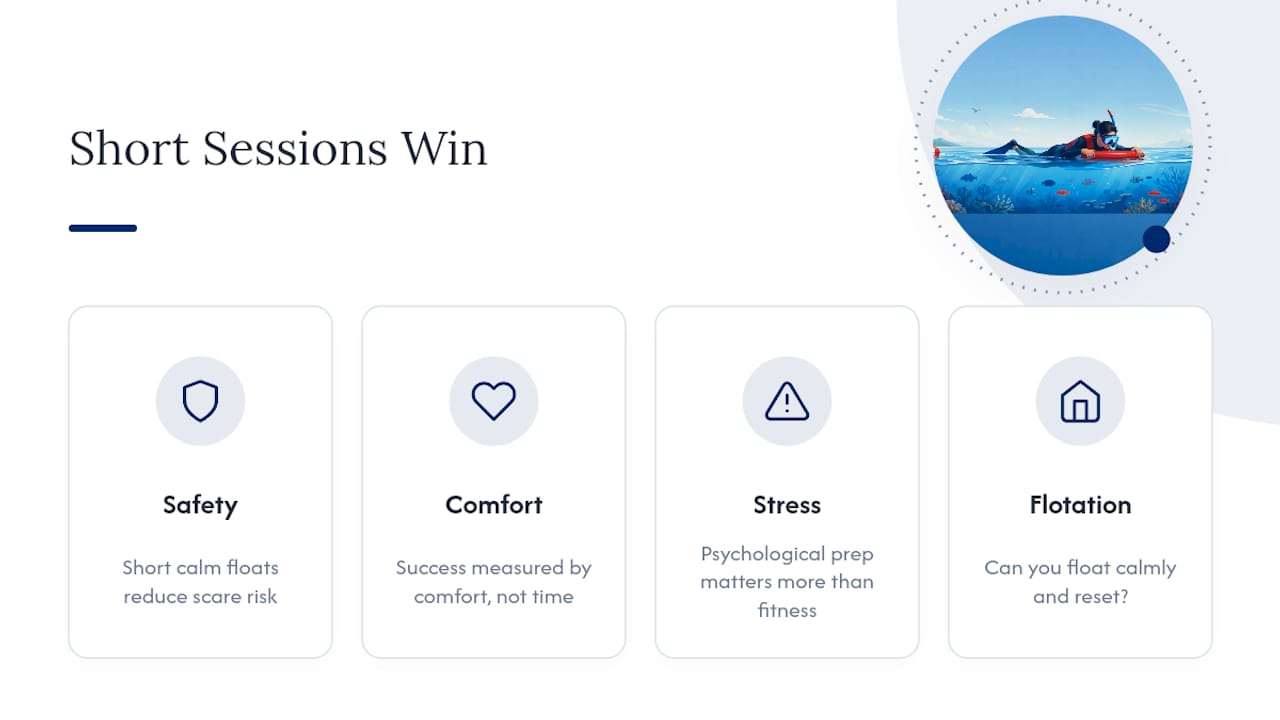
Most guides underestimate how much psychological preparation matters compared to physical conditioning. A non-swimmer who’s rehearsed the stop-and-breathe reset ten times in a pool will handle open water better than a strong swimmer who’s never worn a snorkel before. That’s not a small distinction. It’s the entire argument for treating short, successful sessions as the goal rather than a stepping stone to something bigger.
If there’s one place people get this wrong, it’s rushing the timeline. A single ten-minute float in calm water, done calmly, beats an hour-long attempt that ends in a scare. Measure success in comfort, not duration or distance.
— Justin
Booking a Private Snorkel Trip Built Around Your Comfort Level
Pcbprestige runs private charters specifically because non-swimmers need pacing that a 20-person group tour can’t offer. Every trip includes a licensed local captain, all snorkel gear fitted and checked before you enter the water, and a group capped at your own party, which means the pacing bends around your comfort level instead of a schedule.

Booking one starts with the intake form, where you can note that you’re a non-swimmer and request a slow, shallow-water start before anything else happens. The captain adjusts the site and timing around that request rather than treating everyone the same way. From there, check the private dolphin and snorkeling tour page for available dates around Shell Island, or head straight to booking if you already know the day you want on the water.
Sources
Recommended
Comments