How to Snorkel on a Private Shell Island Tour
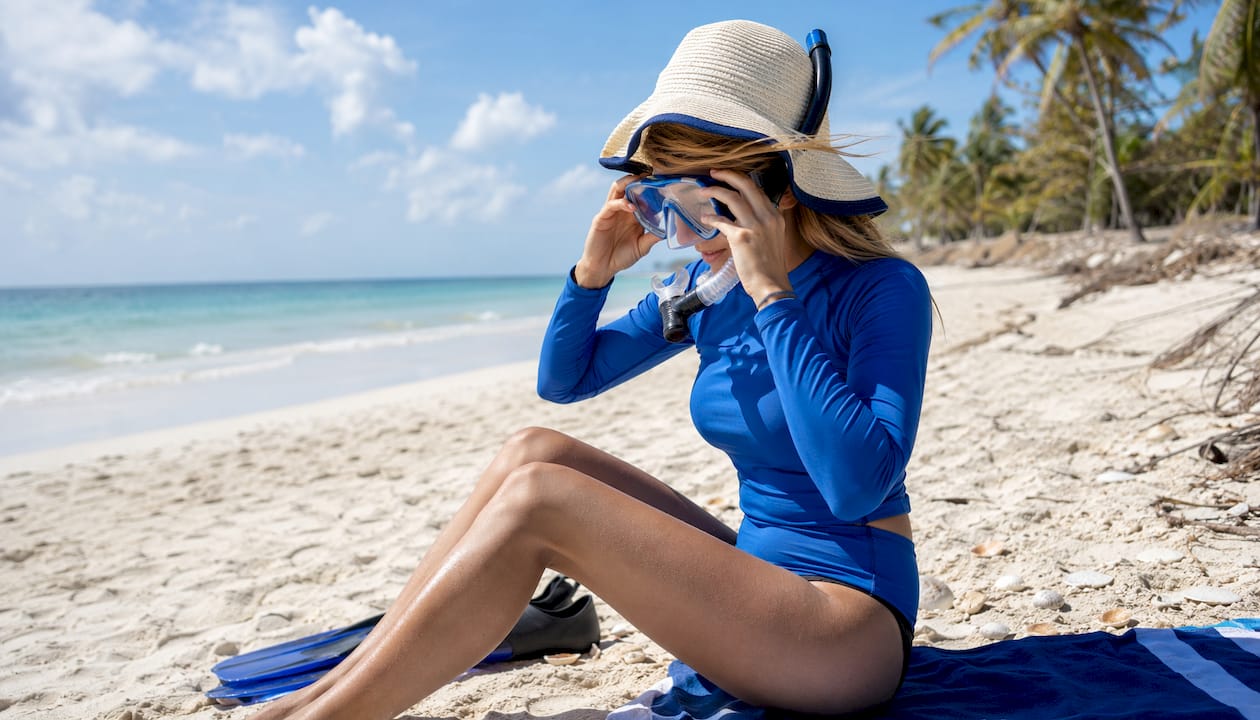
You can snorkel safely and comfortably on a Pcbprestige private Shell Island tour by checking five pieces of gear, learning two breathing techniques, and following your captain’s lead in the water. According to 2025–2026 industry guidance, sunburn is the most common snorkeling injury, not marine life encounters, so reef-safe sunscreen and a rash guard belong at the top of your packing list. Training organizations like PADI and DiveSSI agree: comfort and confidence in shallow water before you head offshore are what separate a great first session from a frustrating one.
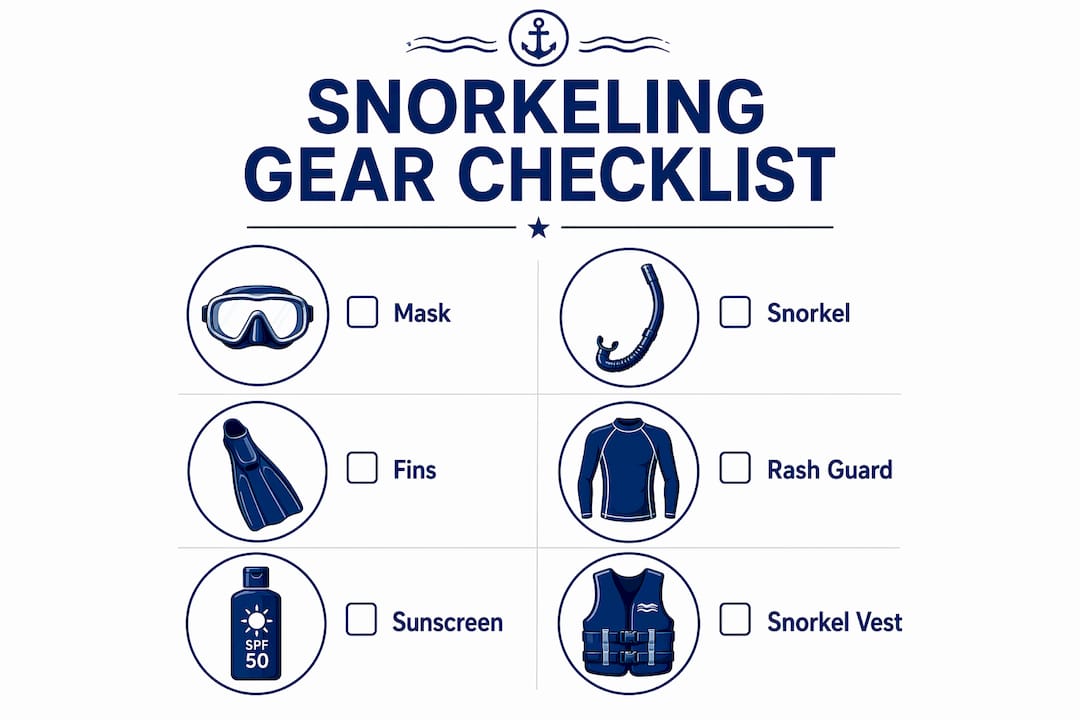
Ready-for-tour checklist: mask, snorkel, fins, rash guard, reef-safe sunscreen, and an optional snorkel vest for extra buoyancy.
Pro Tip: Before you board, spend five minutes breathing through your snorkel in waist-deep water. That single drill removes most first-timer anxiety.
Table of Contents
What gear do you need for a private Pcbprestige snorkeling tour?
What safety rules and wildlife etiquette apply at Shell Island?
A 15–30 minute practice plan to build confidence before your tour
What actually happens on a Pcbprestige private Shell Island tour?
Why private guided tours work better for beginners and ethical viewers
Ready to snorkel Shell Island on a private Pcbprestige charter?
What gear do you need for a private Pcbprestige snorkeling tour?
Pcbprestige includes all snorkel equipment with every private charter; you do not need to rent or buy a mask, snorkel, or fins separately. That said, knowing what you are wearing helps you use it correctly.
Mask: look for a silicone skirt and tempered glass lens; these resist fogging better than plastic.
Snorkel: a semi-dry or dry-top design keeps wave splash out of the tube, which is ideal for Gulf conditions.
Fins: full-foot fins work well in warm, calm water; open-heel fins with neoprene booties suit rocky exits.
Rash guard: protects your back from sun exposure during long face-down sessions.
Snorkel vest: optional, but worth requesting if you are a nervous swimmer or bringing young children.
Reef-safe sunscreen: apply at least 15 minutes before entering the water; mineral-based formulas protect coral.
Bring a hat, a reusable water bottle, a light change of clothes, and a photo ID. Leave jewelry and valuables locked in your car or stored in a dry bag on the boat.
Pro Tip: Pre-treat a new mask by scrubbing the inside lens with a small amount of white toothpaste, rinsing well, and repeating once. This removes the silicone film from manufacturing that causes fogging on the first use.
How do you test mask fit and clear a flooded snorkel?
The suction test
Place the mask against your face without the strap and inhale gently through your nose. If the mask holds in place for several seconds, the seal is good. If air rushes in around the edges, try a different size or shape. Once you find the right fit, position the strap above your ears and snug it until the mask sits firmly without pressing hard into your face.
Over-tightening the strap actually causes leaks by deforming the silicone skirt. The strap anchors the mask; the suction seal does the real work. Men with a mustache or beard should check that no hair sits in the skirt along the upper lip, since even a few stray hairs break the seal.
Two snorkel-clearing methods you must know
Method | When to use | How to do it | Watch out for |
Blast clear | Small splash or partial water entry | Exhale sharply and forcefully through the tube | Inhaling before clearing pushes water deeper |
Displacement clear | Fully flooded tube | Exhale slowly while surfacing face-up; rising air pushes water out | Do not inhale through a flooded tube |
Pro Tip: Practice both clears in waist-deep water before boarding. Once each feels routine, you will not panic when a wave splashes in mid-session.
How should you breathe and position your body in the water?
Slow, rhythmic mouth breathing lowers your heart rate, reduces CO₂ buildup, and keeps you calm at the surface. Think of it as meditative breathing: inhale for a count of three, exhale fully, repeat. Rapid shallow breaths are the fastest route to anxiety.
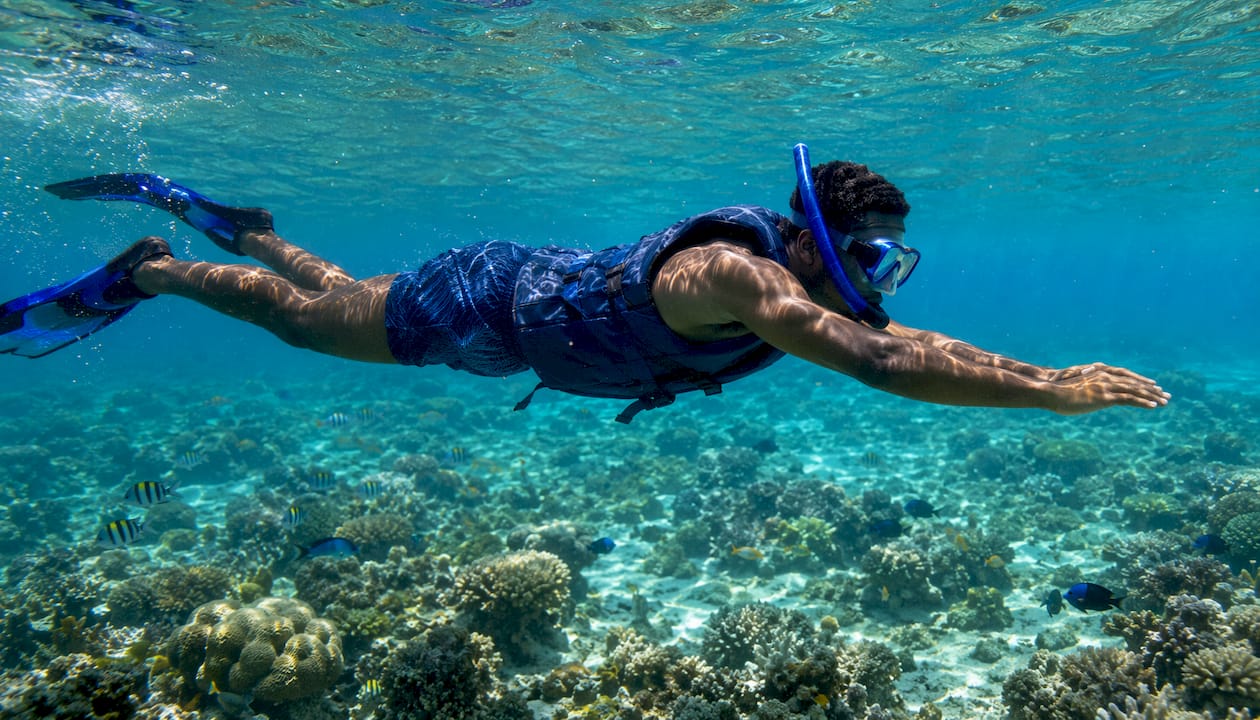
Your body should float horizontally, hips near the surface, legs trailing behind you. Looking slightly forward rather than straight down keeps your hips up and reduces drag. Your flutter kick starts from the hips, not the knees. Think of your entire leg from hip to fin tip as one long paddle making small, controlled strokes. Knee-driven kicks stir up sand, disturb the bottom, and tire you out twice as fast.
For wildlife viewing, the National Park Service notes that hovering in one spot and staying relaxed encourages animals to approach on their own terms. A few practical habits that help:
Keep your hands at your sides or loosely in front; avoid arm-paddling.
Position yourself so the sun is behind you to reduce glare and make colors pop.
Minimize splashing; quiet movement signals you are not a threat.
Hover over a patch of reef for 30 seconds before moving on.
Pro Tip: Count your breaths: in for three, out for three. After about ten cycles, most beginners notice their shoulders drop and their kick slows down naturally.
What safety rules and wildlife etiquette apply at Shell Island?
Always snorkel with your Pcbprestige captain or a buddy, and follow the captain’s instructions immediately. Guided in-water supervision reduces risk and improves the experience for first-timers, particularly in open water where conditions can shift.
Key safety habits are outlined in the Tourist Guide to Destin Water Spots: Stay Safe, Have Fun, which offers valuable regional safety and gear advice for shallow-water snorkeling.
Never snorkel alone, even in calm, shallow water.
Signal the captain if you feel tired, cramped, or anxious; return to the boat without hesitation.
Use a snorkel vest if you are not a confident swimmer.
Check local conditions before entering; the captain will brief you on currents and any hazards specific to that day.
On the wildlife side, federal and Florida state law protects dolphins, sea turtles, and many reef species. Do not touch, chase, or feed any animal. Maintain a respectful distance from dolphins and sea turtles, and never stand on coral or rocky reef. Sunburn remains the most common snorkeling injury, so reapply reef-safe sunscreen between sessions and wear a rash guard for extended time in the water.
A 15–30 minute practice plan to build confidence before your tour
A short practice session on the morning of your tour makes a real difference. Here is a simple progression:
On land (5–10 minutes): Perform the suction test on your mask. Pre-treat the lens with anti-fog solution or a drop of diluted baby shampoo. Rinse fins and check strap tension.
Floating and breathing (5 minutes): Wade in to waist depth, put your face in the water, and breathe through the snorkel until the rhythm feels automatic. Stop kicking entirely for 30 seconds to confirm you float without effort.
Clearing practice (5–10 minutes): Intentionally let a small amount of water into the tube and perform a blast clear. Repeat until it feels like a reflex. Try one displacement clear from a brief surface dive.
Finning and observation (5–10 minutes): Practice a hip-driven flutter kick across a calm stretch. Keep your hands still. Aim for smooth, quiet movement with no surface splash.
Success at each step looks like this: breathing feels automatic, clears take less than two seconds, and your kick leaves the water undisturbed.
Pro Tip: Run through the suction test and one blast clear right on the boat before you enter the water. Thirty seconds of rehearsal beats ten minutes of in-water adjustment.
What actually happens on a Pcbprestige private Shell Island tour?
A typical Pcbprestige tour begins with a safety briefing at the dock, covers transit to Shell Island’s calm, clear snorkeling areas, and includes guided stops where the captain selects spots based on conditions that day. The itinerary is flexible, so the group can linger at a productive reef or move on quickly if conditions shift.
Every Pcbprestige charter runs on a private powerboat with a licensed local captain, includes all snorkel equipment, and accommodates a small group of guests. The boat has an onboard bathroom, which matters on longer outings. Because the charter is fully private, the captain can adjust stops, pace, and depth to match your group’s comfort level rather than a fixed group schedule.
The captain manages wildlife interactions by approaching dolphins and sea turtles at a measured distance, cutting the engine when animals are nearby, and briefing guests on how to enter the water quietly. Operators that follow ethical no-chase, no-feed protocols tend to produce more authentic encounters because animals are not conditioned to flee. You can also check the local marine life guide to set realistic expectations for what you might see at each stop.
What should you pack and ask before booking?
What to bring:
Reef-safe sunscreen (apply before you arrive)
Hat and sunglasses for the boat ride
Reusable water bottle
Towel and a light change of clothes
Photo ID
Any personal medication, including motion-sickness remedies
Arrive at least 15 minutes early. The boat has a bathroom, but plan accordingly before boarding. Store phones and wallets in a dry bag or leave them in your vehicle.
Questions worth asking before you book:
Is the charter fully private, or will other guests join?
What snorkel gear is included, and are child-sized masks available?
What is the maximum group size?
Can the itinerary accommodate a guest with limited mobility?
What is the cancellation or weather policy?
For seasickness, take an over-the-counter remedy like Dramamine at least an hour before departure. Ginger chews are a lighter alternative for mild sensitivity. Fill out the Pcbprestige intake form when booking to flag any accessibility needs or special requests in advance.
How do you fix common snorkeling problems mid-tour?
Stay calm first. Most issues resolve in under a minute with a simple fix.
Fogging mask: Rinse the inside with a drop of baby shampoo or commercial anti-fog solution before each session. In a pinch, saliva rubbed on the dry lens and rinsed lightly works. Do not touch the inside of the lens after treating it.
Leaking mask: Surface, lift the bottom edge to drain, press the mask back against your face, and re-seal with a gentle inhale. Check for hair in the skirt. If the leak persists, loosen the strap slightly rather than tightening it further.
Leg cramps: Straighten the affected leg and flex your foot hard, pulling toes toward your shin. Signal your buddy or the captain if you need support while stretching.
Anxiety at the surface: Roll onto your back. Saltwater is buoyant; you will float without kicking. Breathe slowly until your heart rate settles, then decide whether to continue or return to the boat.
When to signal the captain and abort: If you feel disoriented, cannot clear your snorkel after two attempts, experience chest tightness, or feel a strong current pulling you, raise your arm and return to the boat immediately. No view is worth pushing past your limits.
Do touch up reef-safe sunscreen between snorkeling stops. Do not remove your mask underwater if water enters the tube.
Key Takeaways
Snorkeling safely on a private Pcbprestige Shell Island tour comes down to gear fit, two clearing techniques, slow rhythmic breathing, and following your captain’s ethical wildlife guidelines.
Point | Details |
Gear fit first | Run the suction test before entering the water; a correct seal holds without the strap. |
Two clears to know | Use a blast clear for small splashes; use a displacement clear for a fully flooded tube. |
Breathe slowly | Slow, rhythmic mouth breathing lowers heart rate and extends your time in the water. |
Ethical viewing | Hover still, keep distance, never touch or feed wildlife; animals approach calmer snorkelers. |
Pcbprestige private tours | All snorkel gear included, licensed captain, private 26-foot boat, up to six guests, flexible itinerary. |
Why private guided tours work better for beginners and ethical viewers
Most snorkeling guides focus on technique in isolation, as if the water conditions, the crowd level, and the guide’s judgment do not matter. They do. A beginner practicing blast clears in a hotel pool is not the same as a beginner doing it for the first time while a wave rolls through and twelve strangers splash nearby.
Private tours change the math. When a captain can slow the pace, choose a calmer stop, and give one-on-one attention, beginners actually learn faster and enjoy the experience more. The ethical wildlife piece follows from the same logic: a small, quiet group that enters the water slowly and hovers without thrashing is simply less disruptive than a large group. Animals respond to that. The encounters feel different because they are different.
The conventional wisdom says any guided tour is better than going solo. That is true, but the gap between a private charter and a crowded group tour is larger than most first-timers expect. Privacy is not a luxury add-on here. For a beginner who wants to actually see something, it is the most practical choice available.
Ready to snorkel Shell Island on a private Pcbprestige charter?
Pcbprestige is the private alternative to crowded group tours for snorkeling in Panama City Beach. Every charter runs on a 26-foot powerboat with a licensed local captain, includes all snorkel equipment, accommodates up to six guests, and features an onboard bathroom. The itinerary flexes around your group’s pace, the captain manages all wildlife interactions ethically, and you never share the boat with strangers.
Morning departures typically offer the calmest water and best visibility at Shell Island. Book your private tour directly online, or fill out the intake form to arrange gear sizing, accessibility accommodations, or a custom itinerary for your group. For a look at what a 3-hour private snorkeling and dolphin tour covers, the tour page lists inclusions and availability.
Pro Tip: Book a morning slot for the flattest water and the best chance of wildlife encounters before afternoon wind picks up.
Recommended
Comments