Dolphin Watching Season: Best Times and Top Tips

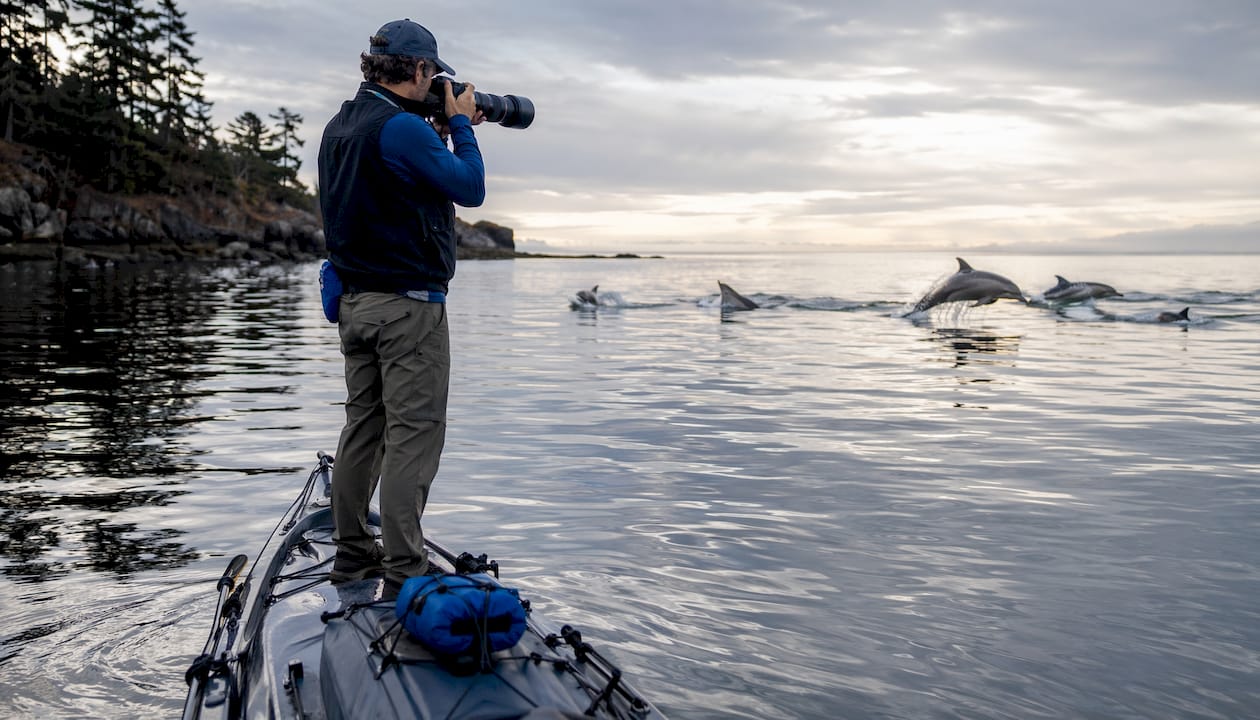
Dolphin watching season is defined as the period when water temperatures, baitfish migrations, and weather conditions combine to bring dolphins closest to shore and most active at the surface. The peak season runs from may through october in most popular coastal destinations, including Panama City Beach, the Florida Keys, and the Algarve. Morning hours between 7:00 AM and 11:00 AM consistently produce the highest sighting rates. Tide movement, not just the calendar month, is the single most reliable predictor of whether dolphins will be feeding and visible when you arrive.
1. When is the dolphin watching season at its peak?
Peak dolphin watching season spans May through October across the most visited coastal regions in the United States and Europe. Warmer surface water draws baitfish schools nearshore, and dolphins follow. Sighting rates on calm summer mornings reach 85% during July and August in regions like the Algarve. That figure drops sharply once afternoon winds pick up or seas turn choppy.
The season is not a hard boundary. Bottlenose dolphins, the species most travelers encounter in Florida, are present year-round in warm coastal waters. Common dolphins peak from May through October, and striped dolphins concentrate between June and September. Knowing which species you want to see shapes which month you should book.
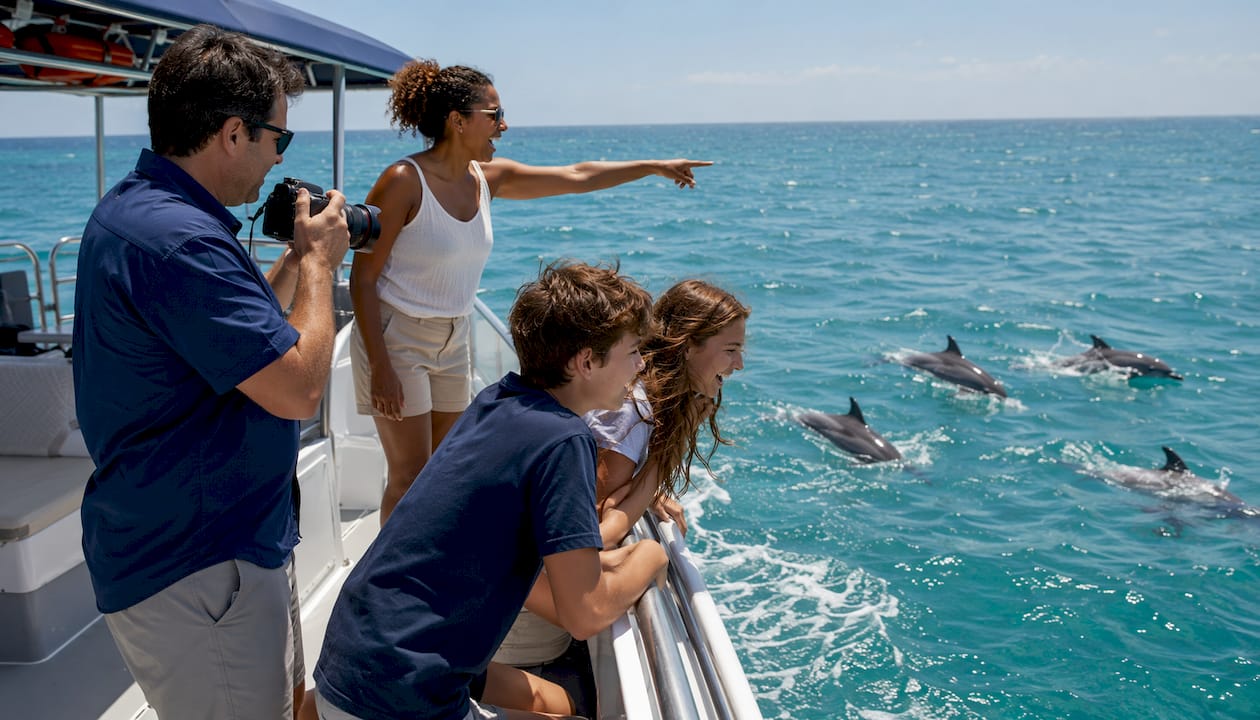
Regional sighting patterns vary more than most travelers expect. The table below shows peak months and general sighting conditions across three key destinations.
Destination | Peak Months | Dominant Species | Sighting Conditions |
Panama City Beach, FL | May–October | Bottlenose (year-round) | Calm Gulf mornings, high summer activity |
Florida Keys | May–September | Bottlenose, spinner | Flat water, strong tidal influence |
Algarve, Portugal | May–October | Common, bottlenose, striped | Atlantic swells; best on calm days |
Cape May, NJ | June–September | Bottlenose | Nearshore feeding, morning preferred |
Pod size also shifts with the season. Common dolphins form larger pods in summer, sometimes numbering in the dozens. Bottlenose dolphins stay in smaller, tighter groups close to shore throughout the year.
2. What time of day are dolphins most active?
Early morning is the best time to see dolphins, full stop. Morning calm-water sighting rates run 15–20% higher than afternoon trips. Three factors drive that gap: seas are flattest before the wind builds, dolphins are actively feeding after a night of rest, and the low sun angle makes dorsal fins easier to spot against the water.
Here is how each time window compares:
Morning (7:00 AM–11:00 AM): Calm seas, active feeding, soft light for photography, lowest chance of afternoon thunderstorms. Best overall window.
Midday (11:00 AM–2:00 PM): Seas begin to build, glare reduces visibility, dolphins shift to resting behavior. Sighting quality drops.
Afternoon (2:00 PM–5:00 PM): Wind and chop are most likely. Summer thunderstorms are common along the Gulf Coast. Least reliable window.
Sunset (5:00 PM–7:00 PM): Sunset tours combine active dolphins with golden light, but seas may still be choppy from afternoon winds. A strong secondary option when mornings are unavailable.
Photography quality peaks in the morning and again in late afternoon. Midday glare washes out the water surface and makes dorsal fins nearly invisible at distance.
Pro Tip: Book the earliest available slot, even if it means a 7:00 AM departure. The flat water and feeding activity in that first hour often produce more sightings than a full afternoon on the water.
3. How tides control dolphin feeding and sightings
Tide movement is a better predictor of dolphin sightings than the month on the calendar. Moving tides concentrate baitfish, which triggers dolphin feeding and surface activity. Slack tide, the brief period when water stops moving between tidal cycles, reduces feeding activity and pushes dolphins deeper or offshore.
Incoming and outgoing tides both work. What matters is that the water is moving. A moving tide on a cloudy november morning will often outperform a slack tide on a clear july afternoon. Most experienced captains check tide charts before confirming a departure time, not just the weather forecast.
Calm, flat water surfaces are equally critical. Choppy or windy conditions reduce sighting rates by 20–25 percentage points compared to calm mornings. A dorsal fin that is easy to spot at 200 yards on glassy water becomes nearly invisible in a one-foot chop.
Common mistakes travelers make:
Booking based on season alone without checking local tide charts
Choosing midday tours because they fit a vacation schedule better
Ignoring marine weather forecasts, which differ from land forecasts
Assuming summer automatically means better conditions than spring or fall
Pro Tip: Check NOAA’s tide prediction tool for your specific departure location before booking. Aim for a tour that launches within two hours of a tide change. That window captures the most active feeding period.
4. Regional differences in the best time for dolphin watching
Panama City Beach sits in the northern Gulf of Mexico, where bottlenose dolphins are active from spring through late fall and visible year-round in warmer years. The Gulf’s shallow, warm water heats up quickly in may and stays productive through october. July and august bring the most consistent nearshore activity, with pods regularly spotted around Shell Island and St. Andrews Bay.
The Florida Keys offer a longer active window because water temperatures stay warmer further into the fall. Cape May, New Jersey, sits at the northern edge of reliable bottlenose territory, with a tighter window from June through September. The Algarve’s Atlantic exposure means swell and wind play a bigger role than in the Gulf, making calm-day selection even more important there.
Flexibility with travel dates pays off regardless of region. Cold fronts and storms can push dolphin pods offshore unexpectedly, even in peak season. Travelers who can shift a trip by one or two days to catch better sea conditions see dramatically better results than those locked into a fixed schedule.
5. How weather affects your dolphin tour experience
Summer afternoon thunderstorms are the most underestimated threat to a good dolphin tour, especially along the Gulf Coast. Weather disruptions reduce afternoon dolphin activity and cut visibility even before the storm arrives. Morning tours sidestep this problem entirely because convective storms typically build after noon.
Wind speed matters as much as rain. A 15-knot wind on an otherwise sunny afternoon creates enough chop to make surface spotting difficult and the boat ride uncomfortable. Most reputable tour operators use a wind threshold of around 15–20 knots as a cancellation trigger. Knowing that threshold before you book helps you set realistic expectations.
Overcast skies are not a deal-breaker. Dolphins do not care about cloud cover, and diffuse light actually reduces glare on the water, which can improve visibility for spotting fins. The bigger concern on cloudy days is wind, not the absence of sun.
6. Booking tips for peak dolphin tour season
Book 2–3 weeks in advance during june, july, and august to secure preferred morning departure times. Peak season demand fills early slots first. Waiting until the week before often means settling for a midday or afternoon tour, which is the least productive window.
Here is a practical booking checklist:
Choose morning departures first. Target 7:00 AM–9:00 AM slots for the best combination of calm water and feeding activity.
Check the tide chart. Confirm the tour launches within two hours of a tidal change at your specific location.
Select a private or small-group tour. Smaller boats maneuver closer to dolphin pods and create less noise disturbance.
Ask about the cancellation policy. Reputable operators reschedule for weather without penalty. Avoid operators who do not.
Verify the operator’s wildlife guidelines. Ethical operators maintain low vessel speeds near dolphins and avoid repeated approaches.
Off-season tours from november through April offer a real advantage for travelers with flexibility. Off-season bookings attract smaller groups and more intimate experiences, even if weather variability increases. Bottlenose dolphins in Florida waters remain active through winter, so sightings are still possible.
Pro Tip: Ask your tour operator which tide window they plan to use, not just the departure time. A captain who can answer that question specifically is one who actually watches the water.
7. Ethical practices that protect dolphins and improve your experience
Ethical wildlife observation is not just a moral position. It produces better encounters. Low vessel speeds and timing trips to feeding windows reduce dolphin stress and keep animals at the surface longer. Dolphins that feel pressured by a fast-approaching boat dive and do not resurface nearby.
Local regulations in some regions prohibit swimming with wild dolphins entirely. Responsible operators go further than the law requires, self-policing approach distances and engine behavior. When evaluating a tour company, ask directly whether they follow NOAA’s dolphin watching guidelines. An operator who cannot answer that question is a red flag.
The best encounters happen when the boat holds position and lets dolphins approach on their own terms. Dolphins are curious animals. Given space and quiet, they often come to investigate the vessel themselves, which produces far closer and more natural sightings than any chase approach.
Key Takeaways
The best dolphin watching season runs from may through october, but tide movement and morning timing matter more than the month alone.
Point | Details |
Peak season window | May through october delivers the highest sighting rates in most coastal destinations. |
Morning advantage | Early morning tours produce 15–20% more sightings than afternoon trips due to calm seas and active feeding. |
Tide over season | Moving tides concentrate baitfish and trigger feeding; slack tides reduce surface activity regardless of month. |
Advance booking | Reserve morning slots 2–3 weeks ahead during june, july, and august to avoid losing the best departure times. |
Ethical approach | Low vessel speeds and patient positioning produce closer, longer dolphin encounters than aggressive approaches. |
What I’ve learned after years on the water
The single biggest mistake I see travelers make is treating dolphin watching like a guaranteed attraction rather than a wildlife experience. They book the most convenient time slot, ignore the tide chart, and then feel disappointed when the afternoon tour produces three distant fins instead of a pod swimming alongside the boat.
Morning tours are consistently underbooked relative to their quality. Tourists gravitate toward midday because it fits a beach vacation schedule. That preference works in your favor if you are willing to set an early alarm. The 7:30 AM departure I took last summer off Shell Island produced more surface activity in 45 minutes than I had seen on three previous afternoon trips combined.
Tides changed how I think about planning entirely. I used to look at the weather forecast first. Now I pull up the tide chart first and build the rest of the plan around the two-hour window on either side of a tidal change. That single shift improved my sighting success rate more than any other adjustment.
Photography timing follows the same logic. Soft morning light makes dorsal fins pop against the water. Midday glare turns the surface into a mirror. If you are bringing a camera, the morning window is not optional.
Respecting dolphin behavior is also the most practical advice I can give. Pods that are not pressured by boats stay at the surface longer, interact more freely, and often approach the vessel on their own. The best dolphin encounters I have ever witnessed happened when the captain cut the engine and waited. Patience is the most underrated skill in wildlife tourism.
— Justin
Private dolphin tours in Panama City Beach worth booking
Pcbprestige runs private dolphin watching tours out of Panama City Beach aboard a 26-foot powerboat with a licensed local captain. Tours are scheduled around prime tidal windows and morning departure times, which is exactly the approach this article recommends for maximum sighting success.

Groups stay small by design, which means the captain can position the boat based on dolphin behavior rather than managing a crowd. Shell Island and St. Andrews Bay are the primary areas, both known for consistent bottlenose activity from spring through fall. Pcbprestige’s focus on ethical wildlife interaction means dolphins are observed at a respectful distance, on their terms. Book your tour online and request a morning slot to get the most out of your time on the water.
FAQ
When is the best time to see dolphins in Panama City Beach?
The best time to see dolphins in Panama City Beach runs from may through october, with july and august producing the most consistent nearshore activity. Morning departures between 7:00 AM and 11:00 AM deliver the highest sighting rates.
What time of day are dolphins most active?
Dolphins are most active in the early morning, roughly 7:00 AM to 11:00 AM, when feeding behavior peaks and seas are calmest. Morning sighting rates run 15–20% higher than afternoon trips.
Do dolphins come out on cloudy days?
Dolphins are active on cloudy days because their behavior follows tides and feeding patterns, not sunlight. Overcast conditions can actually reduce surface glare and make dorsal fins easier to spot.
How far in advance should I book a dolphin tour?
Book 2–3 weeks ahead during peak summer months to secure morning departure slots. Off-season tours require less lead time but benefit from flexibility around weather windows.
Are dolphins visible year-round in Florida?
Bottlenose dolphins are present year-round in Florida coastal waters, including Panama City Beach. Sighting frequency and pod activity peak between may and october when warmer water and baitfish concentrations bring dolphins closest to shore.
Recommended
Comments